
STEP 2: Very Short Questions
- a. A thrombus is a blood clot that causes a heart attack by suddenly blocking the supply of oxygen-rich blood through the coronary artery to the heart muscles .
- b. Cherries contain a chemical substance called anthocyanin which is beneficial to health because it reduces the burning sensation in the skin and joints caused by uric acid .
- c. Based on the recorded systolic pressure of 150 mmHg and diastolic pressure of 100 mmHg, the patient is suffering from high blood pressure or hypertension .
- d. In the provided diagram, the cell labeled B represents white blood cells which are considered the soldiers of the body for defending against infections .
- e. When the left ventricles relax, the blood pressure reaches its lower limit which is specifically known as diastolic blood pressure .
- f. The names of the granular white blood cells found in human blood are Neutrophil, Eosinophil, and Basophil .
- g. If there are no antigens present on the surface of the red blood cells, the blood type is O negative .
- h. The largest artery in the human body is the aorta and the largest vein is the vena cava .
STEP 3: Short Questions
- 3. a. Write any two differences between RBC and WBC.
Two differences between Red Blood Cells (RBCs) and White Blood Cells (WBCs) are:
Nucleus
RBCs: Mature RBCs do not have a nucleus.
WBCs: WBCs have a distinct nucleus.
Function
RBCs: They transport oxygen and carbon dioxide.
WBCs: They help the body fight against microorganisms. - 3. b. A person is tired and weak with cold hands and feet. S/he has pale skin and shortness of breath. What might he be suffering from? Discuss.
- The person is suffering from anemia, a condition that occurs due to a lack of red blood cells or haemoglobin in the blood .
- Shortness of breath and constant tiredness are caused by the blood’s inability to transport sufficient oxygen to the body’s tissues for energy production.
- Pale skin and cold hands or feet are physical symptoms resulting from reduced oxygenation and blood circulation.
- 3. c. Blood group must be identified before blood transfusion. Give reason.
Blood transfusion is the life-saving process of transferring blood from a healthy donor into the circulatory system of a recipient . It is critical to identify blood groups to ensure compatibility because if mismatched blood is used, the recipient’s antibodies will attack the donor’s red blood cells and cause them to clump and clot together . Therefore, identifying both the donor and recipient blood types is important safety procedure to prevent serious or fatal reactions during the transfusion . - 3. d. In the given figure A and B which blood vessel carries blood from the lungs to the heart and which has high blood pressure?
In the provided diagram, the blood vessel labeled A is the pulmonary vein which carries pure oxygenated blood from the lungs to the heart. The blood vessel labeled B is an artery which experiences high blood pressure as it carries blood away from the heart to various organs. - 3. e. Ezikel was diagnosed with a kidney stone, pain in joints and red swollen skin. What disease might he be suffering from? Write its causes and preventive measures.
- Ezikel is suffering from uric acid(hyperuricemia or gout), a condition involving high levels of uric acid in the blood produced by the breakdown of purines.
- Causes include; the excessive consumption of meat products, pulses, beer, alcohol, and caffeine, or the failure of the kidneys to filter the uric acid.
- Preventive measures includes;
- Drinking plenty of water to help the kidneys wash away excess acid.
- Consumption of 10 to 40 cherries daily is recommended to reduce burning sensations in the joints and skin.
- Regular physical exercise and the consumption of baking soda are also effective control measures.
- 3. f. If some coronary arteries are blocked at once, a person could die from a heart attack. Doctors use a stent to open the blockage. The stent is left there permanently. Why? Give reason.
A stent is a small, permanent tube made of metal mesh that is inserted into a narrowed or blocked coronary artery during a medical procedure. It is left in the vessel permanently to open the blocked artery and ensure that oxygen-rich blood can continuously reach the heart muscles. Additionally, some stents contain medicine that helps keep the artery from becoming blocked again in the future. Consequently, leaving the stent in place is essential for maintaining the long-term health of the heart and preventing further heart attacks. - 3. g. ‘There is a high risk of diabetes, uric acid and blood pressure in people with an inactive lifestyle.’ Justify the statement.
An inactive lifestyle is a primary reason of chronic health conditions because it frequently leads to obesity and being overweight. When a person lives inactive lifestyle, lack of regular physical exercise and activity the nutrients especially protein and carbohydrates are not properly used up and they remains in blood increasing the risk of developing high blood pressure and diabetes acid. Physical inactivity also slows down the metabolism and excretion of waste products like uric acid, leading to its painful accumulation in the joints. Ultimately, maintaining an active lifestyle through regular walking and exercise is vital for managing body weight and ensuring the proper functioning of the circulatory system. - 3. h. A patient has problems with frequent urination, intense hunger and dizziness, wounds not healing quickly, and so on. What disease is the suffering from? What do you suggest to prevent this disease?
- The patient is suffering from diabetes, a condition characterized by high concentrations of sugar in the blood.
- To prevent this disease, it is suggested to consume a balanced diet rich in fruits and vegetables while reducing obesity.
- Individuals should strictly avoid drinking soda, alcohol, and cold drinks to help maintain healthy blood sugar levels.
- Engaging in regular physical exercise and daily walking for at least an hour is highly recommended.
Long Questions
- 4. a. Study the story and answer the following questions:
Yogesh suffered from a heart attack due to his high-risk lifestyle choices including smoking tobacco, drinking beer, and frequently eating roasted red meat and fatty foods. Since he survived, he should now adopt a healthy lifestyle by quitting smoking and drinking, managing his weight, and performing regular physical exercise to protect his heart.- Doctors used angioplasty because the pulmonary artery was blocked. (No)
- Since he has survived a heart attack, he should do regular exercise and quit smoking. (Yes)
- 4. b. Answer the following questions based on the blood sample information:
- i. Person C needs to avoid injury because their low platelet count prevents blood from clotting, which could lead to excessive and dangerous blood loss from even minor wounds .
- ii. Person A should avoid heavy work because their low RBC count leads to anemia, meaning their blood cannot transport enough oxygen to meet the energy demands of strenuous labor.
- iii. Person B needs to take antibiotics because an abnormally high WBC count is a primary indicator that the body is fighting a serious infection or disease .
- iv. Person D could have a problematic kidney condition because a high concentration of sugar in the blood associated with diabetes often causes significant damage to the kidneys over time .
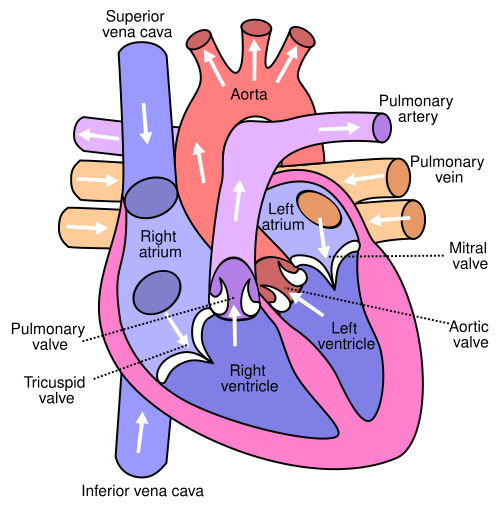
- 4. c. Answer the questions based on the heart diagram:
- i. Pure oxygenated blood flows in the blood vessels labeled L (pulmonary vein) and N (aorta).
- ii. Chamber S (right ventricle) is thick-walled and pumps deoxygenated blood toward the lungs, while chamber Q (left auricle) is thin-walled and receives oxygenated blood from the lungs.
- iii. The purpose of blood flow in organ X (lungs) is for the oxygenation of blood, where it releases carbon dioxide and absorbs fresh oxygen.
- iv. Blood vessels have elastic walls to handle the high pressure exerted by the heart when the ventricles contract and to facilitate the continuous flow of blood to the tissues.
4. d. Study the diagram given below and answer the following questions:
i. The procedure shown in the diagram to treat a heart attack is coronary artery bypass grafting (CABG) surgery, often referred to as bypass surgery.
ii. The objective of blood vessel A,which is the coronary artery, is to supply oxygenated blood and essential nutrients specifically to the heart muscles.- 4. e. Draw the diagram of the internal structure of the heart to show the location of each valve and four chambers.